Select your language
Select your language


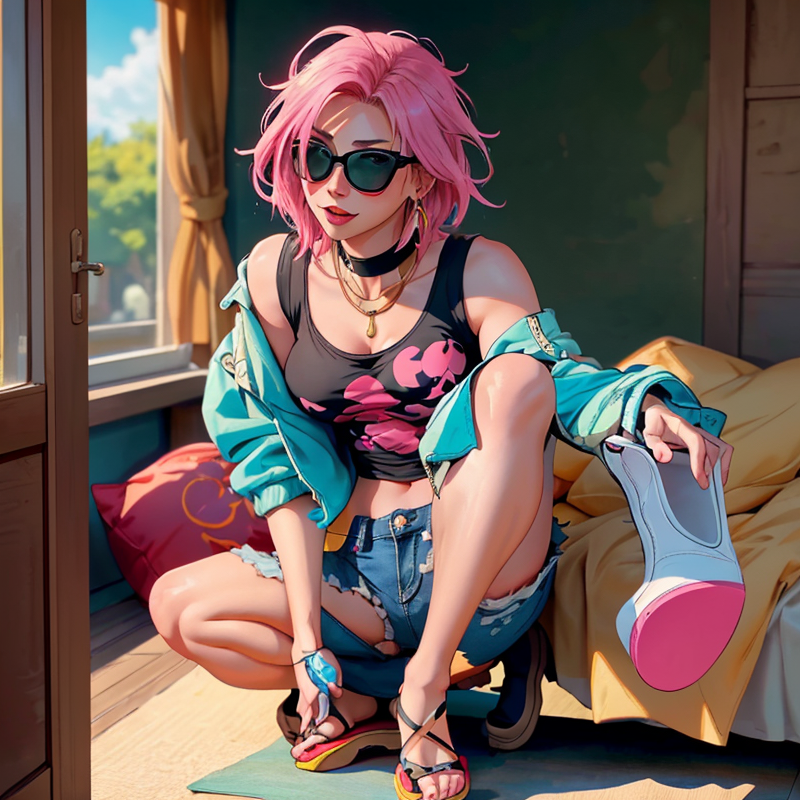 Explore the fashion styles of Sakura Haruno from Naruto, featuring a chic red sleeveless top paired with black jeans and white sneakers, as well as a fresh summer look with a light blue printed T-shirt and linen shorts. Get inspired by her modern accessories and hairstyles.
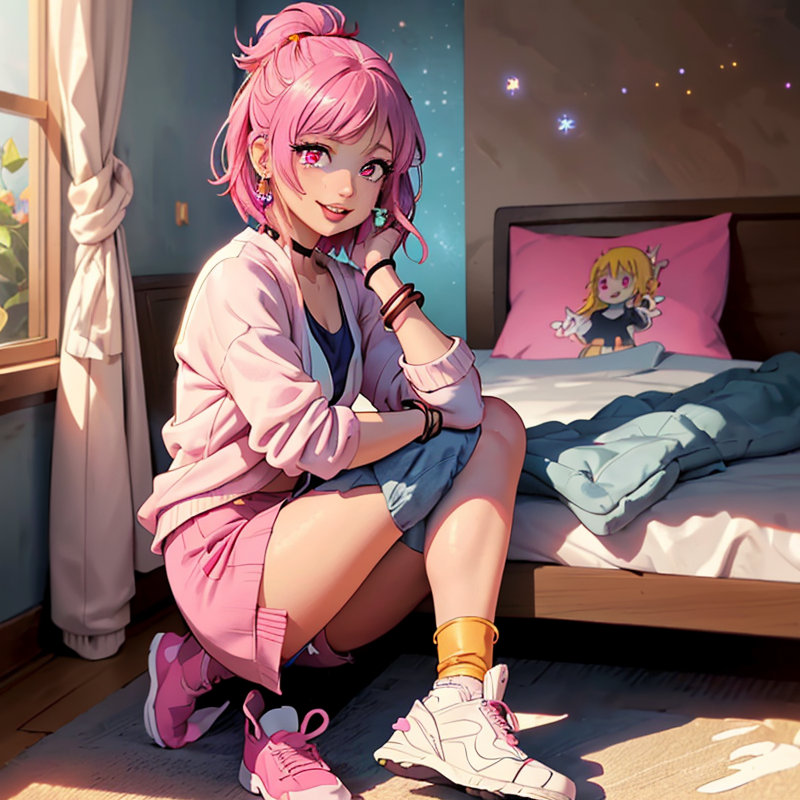 Discover the unique style of Madoka Kaname from 'Puella Magi Madoka Magica'. From pink sweatshirts and white skirts to blue t-shirts and black casual pants, her fashion blends cuteness and vitality. Find inspiration to showcase a youthful and dynamic style.
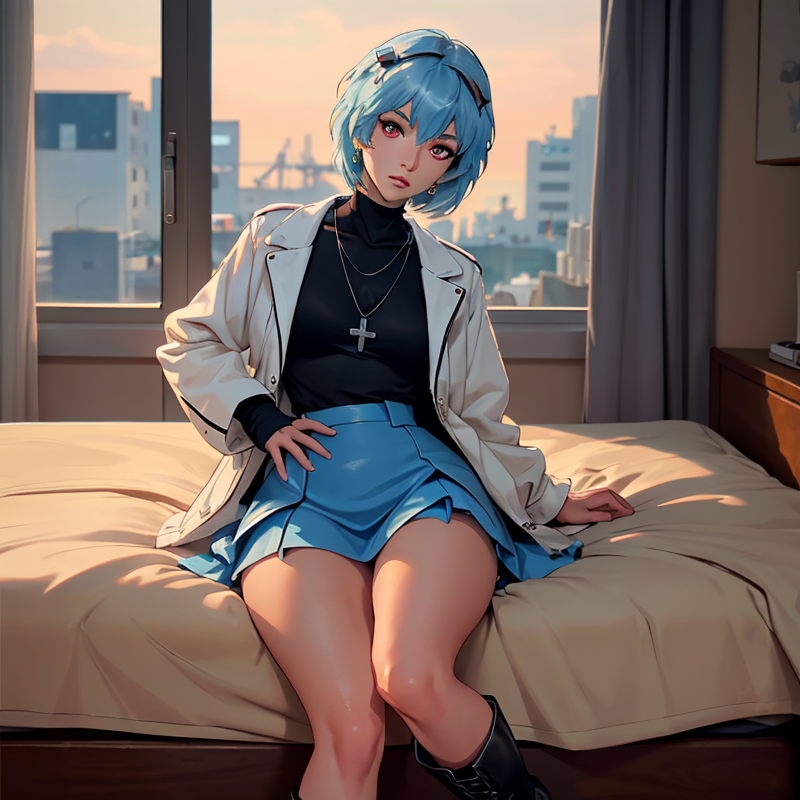
In an interview with the designer behind Rei Ayanami's wardrobe in "Neon Genesis Evangelion," it reveals how he drew inspiration from her calm and enigmatic personality. Choosing a simple white turtleneck sweater and a deep blue A-line skirt reflects her elegance and tranquility, while a black coat adds depth to the look.
The designer mentions that when creating the wardrobe, he wanted to capture both the vulnerability and strength of the protagonist. "I chose minimalist pieces to evoke the simplicity and purity that defines her character," he comments. The small details, such as delicate earrings and a silver necklace, complement her aesthetic of simplicity and refinement.
In contrast, her casual outfit, featuring a cartoon-patterned T-shirt and denim shorts, represents a more youthful and cheerful side, capturing the essence of her evolution throughout the series. "Current trends in youth fashion focus on comfort and self-expression," the designer highlights, referring to how informal pieces have become essential in the modern wardrobe.
The combination of these styles not only showcases the adaptability of the character but also the dialogue between fashion and narrative in anime. The designer's insights into contemporary fashion trends continue to influence the perception of characters in the media, creating a lasting impact on pop culture.
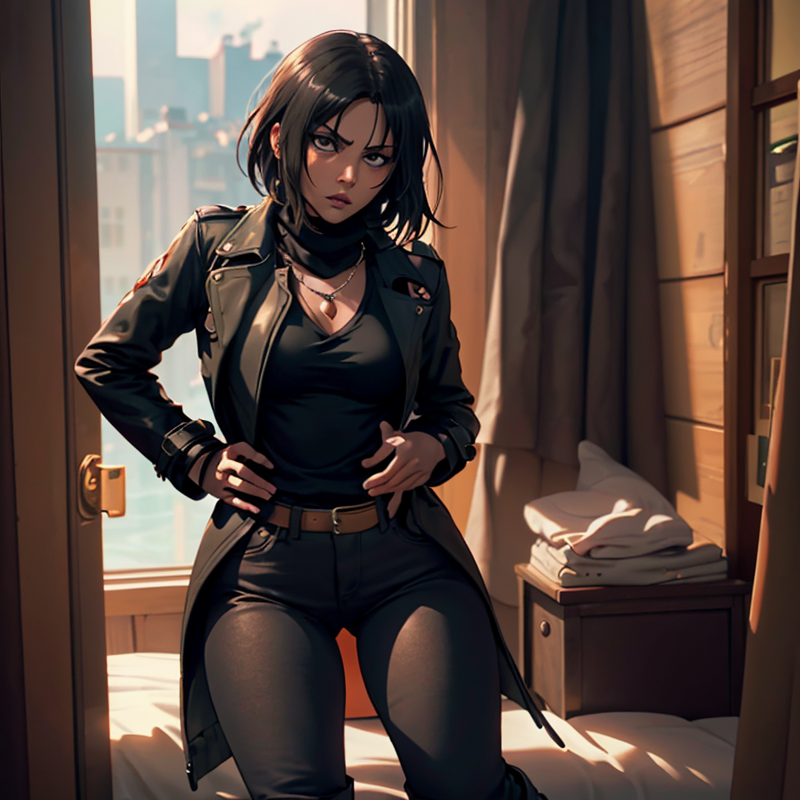
The style of Mikasa Ackerman from 'Attack on Titan' has significantly influenced the evolution of youth fashion in East Asia. Her clothing blends elements of strength and femininity, resonating with young people looking to express their unique identities.
In Tokyo, black has become a symbol of elegance and sophistication. Inspired by Mikasa, many young women choose long coats and turtleneck sweaters, merging classic and contemporary styles, a trend particularly evident on the streets of Harajuku.
Conversely, in Seoul, Mikasa's style presents bolder variations. Young women incorporate vibrant layers and eye-catching options, interpreting her aesthetic as a symbol of empowerment. Dongdaemun's fashion shows reflect this fusion of aggression and elegance, where oversized coats and boots take center stage.
In Shanghai, the style is characterized by a balance between modernity and tradition. Here, one can observe the assimilation of Mikasa's influences, combining casual wear with striking patterns: loose T-shirts and denim jackets. The streets of Nanjing Road are a showcase of aesthetics that creatively blend elements from both cultures.
In summary, Mikasa's influence on youth fashion in East Asia not only reflects her iconic character but also acts as a mirror to cultural transformations and evolving identities. The styles from Tokyo, Seoul, and Shanghai demonstrate various ways fashion can be reinterpreted while maintaining the essence of power and authenticity.
Page 20 of 83
