Select your language
Select your language


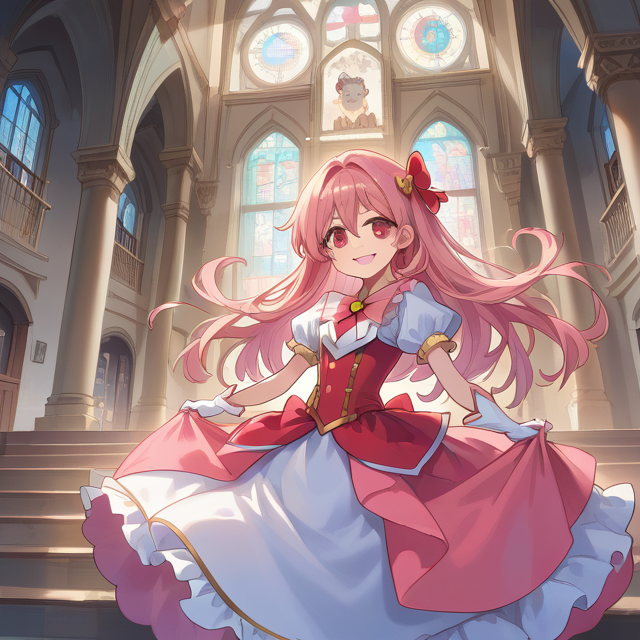
In the anime world, few characters have had as significant an impact as Kaname Madoka, the iconic magical girl from 'Puella Magi Madoka Magica.' Her design not only captivates anime fans, but has surprisingly managed to break the barrier between reality and fashion. Who would have thought that a magical dress could inspire our everyday wardrobe?
First, let's talk about the pink and white combination. Madoka presents herself in a stunning pink dress complemented by a white corset. This look can inspire you to pair a pastel-colored dress with white accessories. Add a white belt or some boots for a modern twist. Never underestimate the power of pink in your wardrobe!
Second, let’s not overlook the charm of the cape. While most of us aren’t wizards in real life, a cape (or even a long jacket) can elevate any outfit in an instant. So, if you want to impress on that next date, consider a cape that makes you feel like an anime heroine. After all, who wouldn't want to dazzle like Madoka?
Lastly, we can't forget the accessories. Madoka sports a large red ribbon in her hair, a detail that’s not only adorable but also versatile. Incorporate ribbons or headbands into your look! There's nothing more charming than a little sweetness to brighten up your outfit. Fashion is all about fun, so don’t forget to play around with your looks!
In summary, Kaname Madoka is not only a source of inspiration in the anime world but also in everyday fashion. With the perfect pink-and-white combination, a dramatic cape, and charming accessories, you can definitely add a touch of magic to your wardrobe. After all, in real life, we can also be our own magical girls, at least in style.

In a dazzling horizon illuminated by neon lights and futuristic architecture, Asuna Yuuki, the iconic swordswoman from Sword Art Online, has made her triumphant entrance at Milan Fashion Week, bringing to life a world where high fashion and technology intricately intertwine.
Her holographic presence dazzles with a play of light and shadow that transforms her figure into a masterpiece of digital art. With each step, particles of light unfold in a visual spectacle, enveloping the audience in a vibrant dance of colors that challenge the conventional notions of fashion.
Dressed in a futuristic outfit that combines ultra-light synthetic materials and intelligent textiles, her attire is not only a visual delight but also responds to its environment. Ambient lighting stimulates variations in design, allowing the outfit to flow and adapt with every movement, creating a symphony of dynamic textures.
The designers behind this revolutionary proposal have incorporated interactive holograms that allow the audience to engage with fashion. From patterns that change with the pulse of music to visual effects that project tales of brave battles and deep connections, every element of her attire is imbued with significance, reflecting both her challenges and her essence as a warrior.
Asuna symbolizes a bridge between the digital and the tangible, representing a new era of fashion where art and artificial intelligence coexist in perfect harmony. As she strides down the runway, she is not just an anime icon, but a symbol of empowerment and feminine strength, challenging the conventions of what fashion can be in this cybernetic age.
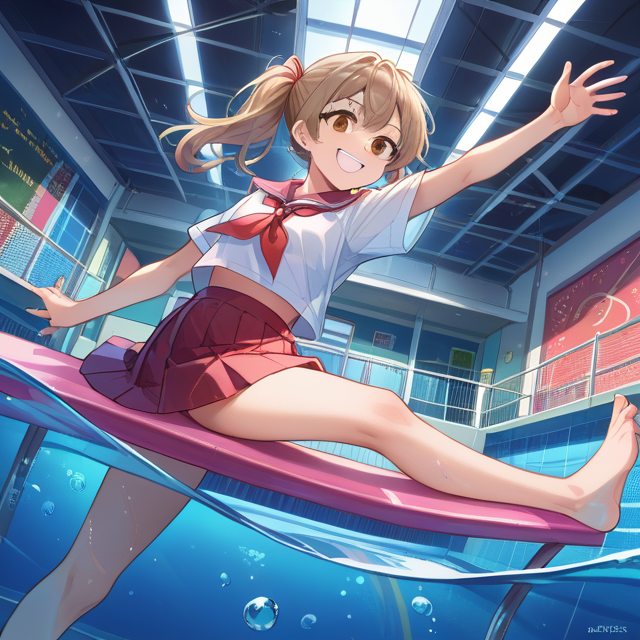
Aoi Asahina, a character from 'Danganronpa 2', is known not only for her vibrant personality and positive attitude but also for her unique fashion sense. Her school uniform, consisting of a white shirt and blue plaid skirt, reflects a youthful aesthetic widely adopted by many young people in Tokyo, Seoul, and Shanghai.
In Tokyo, the combination of school clothing with casual elements has influenced urban fashion. Many teenagers incorporate printed skirts and bright-colored T-shirts into their everyday wear, resonating with Aoi's optimistic essence. This trend is particularly evident on the streets of Harajuku, where individuality and fun are key components of personal style.
In Seoul, Aoi's style intertwines with K-Pop culture, where idols often incorporate school uniform elements into their stage outfits, creating a blend of nostalgia and modernity. Young women in areas like Myeongdong opt for collared shirts and short skirts, showcasing their affinity for youth fashion that echoes Aoi's image.
Meanwhile, in Shanghai, the influence of Western fashion merges with traditional elements to create a unique style. The streets of Xujiahui are filled with young people who pair retro-style blouses with plaid skirts, mirroring Aoi's fashion aesthetic. This fusion demonstrates how to strike a balance between tradition and modernity while maintaining an expression of youthful vigor.
Overall, Aoi Asahina's clothing not only symbolizes individuality and youth but also plays an important role in the evolution of fashion culture in East Asia. Her image intertwines with contemporary trends, providing a new platform for dialogue within youth culture.
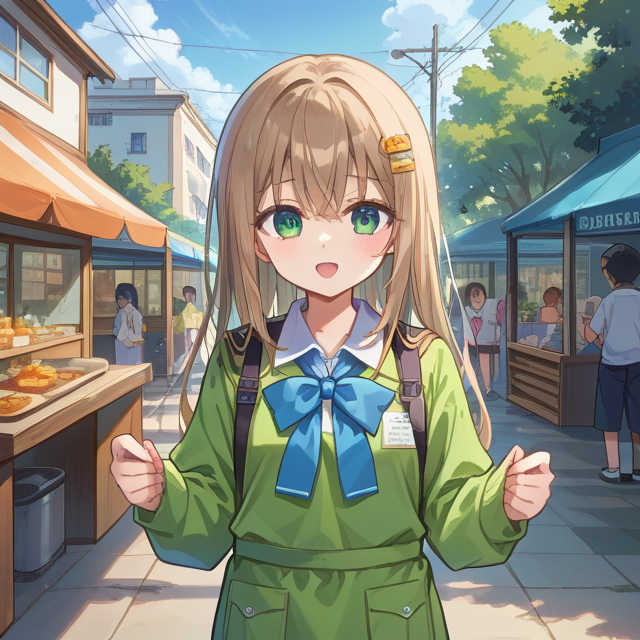
Isuzu Soryuu's clothing symbolizes the evolution of youth fashion in East Asia. Her school uniform, which combines a white shirt with a dark skirt and a lightweight jacket, reflects the classic style of school fashion that has been a pillar in Japanese youth culture. This style is also seen on the streets of Tokyo, where students wear their uniforms with pride, often adding personal touches that reflect their individuality.
In contrast, youth fashion in Seoul has taken a bolder and more experimental approach. Young Korean girls often combine elements of their school uniforms with streetwear, creating a style that stands out for its freshness and originality. This blend of formal and informal resonates with the search for personal identity, a common theme among adolescents in the region.
On the other hand, in Shanghai, the fashion of young girls tends to be a hybrid of Eastern and Western trends. The globalized influence manifests in their outfits, but there is also an appreciation for traditional aesthetics. Girls often opt for clothing that balances the modern with the cultural, creating a style that is both approachable and unique.
Isuzu's wardrobe choices, from her school uniform to her café apron, reflect not only her vibrant personality and desire for acceptance but also a cultural development where youth views fashion as a means of expression and identity. Observing these differences between Tokyo, Seoul, and Shanghai, it is evident that youth attire not only reflects trends but also the quest for personal identity that young individuals wish to occupy in contemporary society.
Page 16 of 83
